 Sandeep Pawar
Broker
Buying your first home as a newcomer to Canada
Many of my clients arrived in Canada in the last few years and are ready to stop renting. The rules depend on your immigration status. Here is what applies to you, and how to get a mortgage with a new credit history.
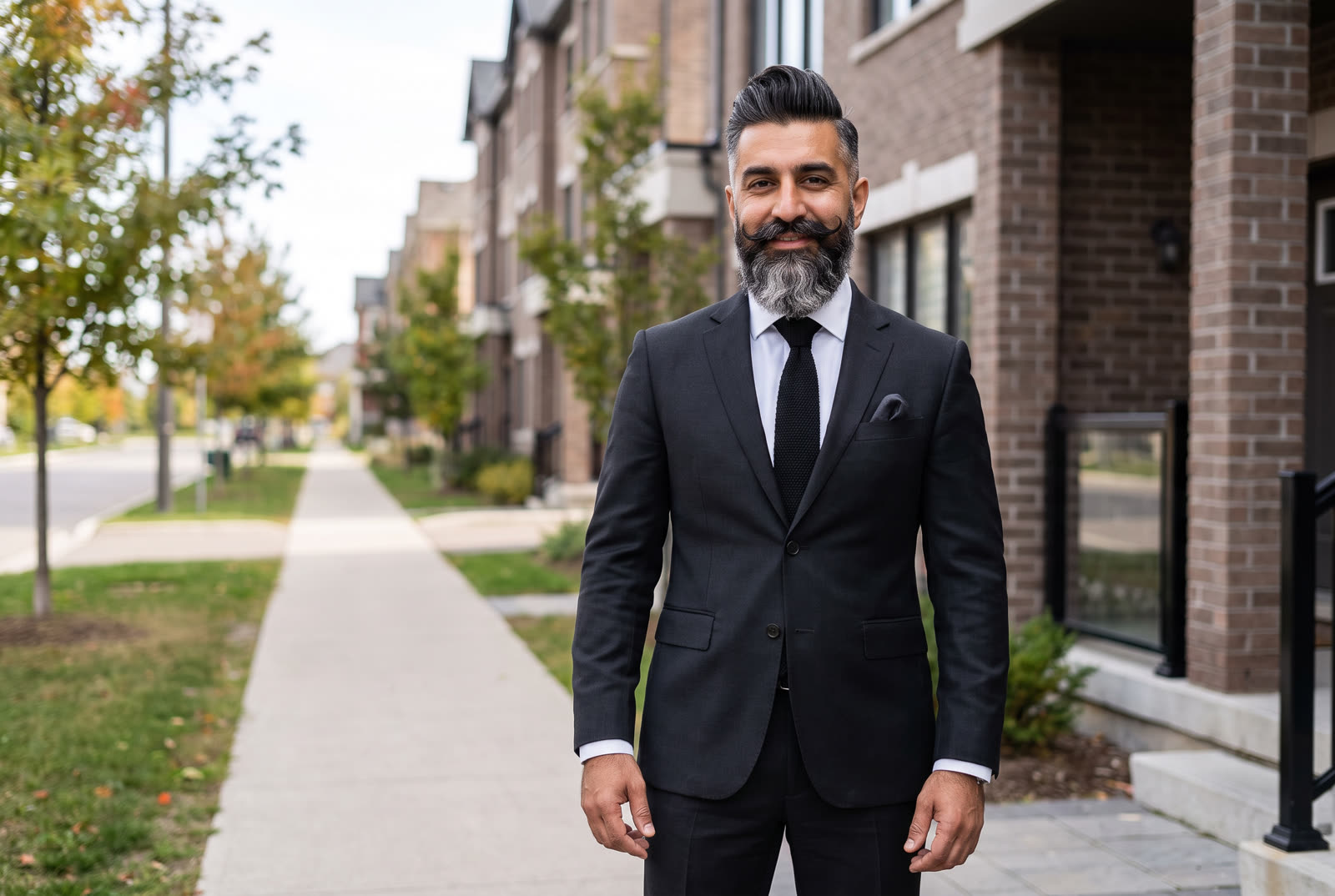
The short answer: permanent residents and citizens can buy a home in Ontario with no restrictions. Other buyers face two separate rules. The federal ban on non-Canadian buyers runs until 1 January 2027, with exceptions such as work permit holders with 183 or more days left. Ontario’s 25% Non-Resident Speculation Tax applies province-wide to foreign nationals, with some exemptions and a rebate if you become a permanent resident within four years.
The rules by immigration status
| Your status | Federal ban | Ontario NRST (25%) | First-time buyer programs |
|---|---|---|---|
| Canadian citizen | Not affected. | Not affected. | Yes, subject to each program’s rules. |
| Permanent resident | Not affected. | Not affected. | Yes, subject to each program’s rules. |
| Work permit holder | Exception possible: 183 or more days of validity left, and no earlier purchase under the ban. | Applies, unless an exemption fits. Rebate possible if you become a permanent resident within four years of registration. | Most require citizenship or permanent residence. |
| International student | Exception possible with conditions, including five years of tax returns, 244 days in Canada each year, and a price no more than $500,000. | Applies, unless an exemption fits. | Most require citizenship or permanent residence. |
| Refugee or protected person | Exempt. | Exemption for protected persons may be available. | Check each program. |
| Spouse or partner of a citizen or permanent resident | Exception when buying with your eligible spouse or partner. | Exemption for spouses of citizens or permanent residents may be available. | Depends on the program and both partners’ history. |
This table simplifies two detailed laws. Exceptions and exemptions have conditions that a lawyer must check against your documents.
The federal ban on non-Canadian buyers
- What it does: the Prohibition on the Purchase of Residential Property by Non-Canadians Act stops most non-Canadians from buying residential property in Canada. It covers people who are not citizens or permanent residents, and foreign commercial enterprises, unless an exception applies.
- Dates: it took effect on 1 January 2023. In February 2024 the government extended it from 1 January 2025 to 1 January 2027.
- Work permit holders: can qualify with 183 or more days of validity left at the time of purchase. They must not have already bought residential property in Canada while the ban was in effect.
- Students: can qualify if enrolled at a designated learning institution, with tax returns filed for the five preceding years. They also need at least 244 days in Canada in each of those years, and a price no more than $500,000.
- Others: exceptions also cover refugees and refugee claimants, accredited diplomats, and non-Canadian spouses or partners buying with an eligible partner.
The ban is scheduled to end on 1 January 2027. As of this review on 27 October 2026, I found no official announcement of a further extension. If you are planning a purchase around that date, have a lawyer confirm the rule in force on your signing date.
Ontario’s Non-Resident Speculation Tax (NRST)
- Rate: 25%, effective 25 October 2022, on the full price.
- Where: residential property anywhere in Ontario.
- Who pays: foreign nationals, foreign corporations and taxable trustees. If any buyer on title is one, the tax applies to the full value.
- What property: land with one to six single family residences. It is in addition to Ontario’s regular land transfer tax.
- Exemptions: may be available for nominees, protected persons, and spouses of Canadian citizens or permanent residents.
- Rebate: a Permanent Resident NRST Rebate may be available if the buyer becomes a permanent resident within four years of the purchase being registered.
The two rules are separate. A federal exception does not exempt you from the NRST, and paying the NRST does not make a purchase legal under the federal ban.
Confirm the rules for your status
Before you tour a single home, know whether you can buy and what tax you would owe.
What happens
A real estate lawyer reviews your immigration documents against the federal ban and the NRST.
What you do
Bring your permit, its expiry date, and your spouse’s status if you are buying together.
Documents and people
Passport, permanent resident card or work or study permit, marriage certificate if relevant.
Watch for
Assuming a work permit alone is enough. The 183-day rule and the NRST both matter.
How I help
I introduce you to lawyers who work with newcomers every day, before you spend time searching.
Start building Canadian credit early
Lenders want to see how you handle credit in Canada. Start in your first months here.
What happens
You open a Canadian credit card or account and use it lightly, paying in full each month.
What you do
Pay every bill on time. Keep balances low. Check your credit report once a year.
Documents and people
Canadian bank account, credit card statements, phone and utility bills in your name.
Watch for
Applying for many cards at once, or carrying high balances.
How I help
I connect you with a mortgage agent who can tell you how your file looks to lenders today.
Document your down payment
Lenders need to see where your down payment came from, including money sent from outside Canada.
What happens
Your lender reviews bank statements showing your savings and any transfers in.
What you do
Move funds early and keep a clear paper trail for every transfer. Normally the minimum down payment must come from your own funds.
Documents and people
Bank statements in Canada and abroad, transfer receipts, gift letters if the lender accepts gifts.
Watch for
Large cash deposits without explanation, or funds that arrive days before closing.
How I help
I make sure your mortgage agent sees the full picture early, so there are no surprises late.
Want to talk it through in Punjabi, Hindi, Urdu, Kannada or Telugu?
Book a 30-minute callGet pre-approved
A pre-approval tells you your real budget and which lenders will work with your history.
What happens
A lender or mortgage agent reviews your income, credit, down payment and status, then issues a pre-approval.
What you do
Ask about programs for newcomers. Confirm your minimum down payment: 5% of the first $500,000 and 10% of the rest up to $1.5 million.
Documents and people
Employment letter, pay stubs, permit or permanent resident card, down payment proof.
Watch for
Treating a pre-approval as a final approval. The lender must still approve the home.
How I help
I check your budget against real sale prices. First-time buyer programs.
Choose the right neighbourhood
Schools, commute, community and places of worship matter as much as the house.
What happens
We shortlist areas that fit your commute, your children’s schools and your community.
What you do
Visit at rush hour and on a weekend. Talk to neighbours.
Documents and people
Your must-have list and commute addresses.
Watch for
Buying far from work to save on price, then paying for it in time and transport.
How I help
I share what I know about neighbourhoods across Brampton, Mississauga and Caledon.
Offer, check and close
The process is the same as for any Ontario buyer, with your status documents added to your lawyer’s file.
What happens
We make an offer with the right conditions, inspect, firm up and close.
What you do
Keep your lawyer and lender updated on any change in your status or employment.
Documents and people
Agreement of purchase and sale, inspection report, mortgage commitment, insurance.
Watch for
A permit expiring between offer and closing. Tell your lawyer the dates.
How I help
I explain every document before you sign. The full buying process.
How I help newcomers
- Explanations in English, Hindi, Punjabi, Urdu, Kannada or Telugu, so nothing is lost in translation
- A mortgage agent and lawyer who work with newcomers every day
- Neighbourhood advice on schools, commute, places of worship and community
- A clear walk-through of every document before you sign
CMHC also publishes home-buying information for newcomers in eight languages, including Punjabi and Urdu. See service in your language.
Questions newcomers ask
Can a newcomer buy a house in Ontario?
Permanent residents and citizens can buy without restriction. Temporary residents and foreign nationals are covered by the federal ban on non-Canadian buyers, which has exceptions. They may also owe Ontario’s 25% Non-Resident Speculation Tax unless an exemption applies.
When does the federal foreign buyer ban end?
It took effect on 1 January 2023 and was extended to 1 January 2027. As of 27 October 2026 I could not find an official announcement extending it again. Check the current rule with a real estate lawyer before you sign anything.
Can I buy on a work permit?
Under the federal ban, a temporary worker can qualify if their work permit has 183 or more days left on the purchase date. They must not have already bought residential property in Canada under the ban. Ontario’s 25% NRST can still apply.
What is Ontario’s Non-Resident Speculation Tax?
A 25% tax, since 25 October 2022, on residential property anywhere in Ontario bought by a foreign national, foreign corporation or taxable trustee. It applies to properties with one to six single family residences, on top of regular land transfer tax.
Can I get the NRST back if I become a permanent resident?
Possibly. Ontario offers a Permanent Resident NRST Rebate if the buyer becomes a permanent resident within four years of the date the purchase is registered. Conditions apply, so check them with your lawyer before you buy.
Can I get a mortgage without Canadian credit history?
Some lenders offer programs for newcomers that consider a shorter Canadian work history or international credit references. A mortgage agent can compare them. Start building Canadian credit as soon as you arrive.
Can I use first-time buyer programs as a newcomer?
Some of them. The Ontario land transfer tax refund and the federal new-home GST rebate require you to be a Canadian citizen or permanent resident. The FHSA requires you to be a resident of Canada when you open it. Check each program’s rules.
Can I work with you in Punjabi or Hindi?
Yes. I work in English, Hindi, Punjabi, Urdu, Kannada and Telugu, so the whole family can follow every step.
Sources
- CMHC: Prohibition on the Purchase of Residential Property by Non-Canadians Act
- Department of Finance Canada: two-year extension of the ban, to 1 January 2027
- Ontario.ca: Non-Resident Speculation Tax (updated 4 May 2026)
- Ontario.ca: land transfer tax
- CMHC: housing for newcomers
- Financial Consumer Agency of Canada: down payment
- CRA: opening an FHSA (residency rule)
- CRA: first-time home buyers’ GST/HST rebate, who can apply
- Ontario.ca: land transfer tax refunds for first-time homebuyers
New to Canada, ready to own
Tell me your status, savings and timeline, in your language. I will tell you what the rules allow and what I would do first.